
23 Oct The Neuroscience of Spravato: How Glutamate and Neuroplasticity Rewire Depression
Spravato works on a part of the brain that traditional antidepressants can’t reach—offering new hope through the science of glutamate and neuroplasticity.
For decades, most antidepressants have focused on serotonin—the neurotransmitter often called the “feel-good chemical.” But for many people living with depression, serotonin-based medications don’t go far enough. They can lift the fog slightly without clearing the sky.
That’s where Spravato (esketamine) comes in.
It targets an entirely different system in the brain—glutamate—which plays a major role in how we think, feel, learn, and connect.
And the results? For some people, relief comes not in weeks or months, but in hours or days.
What Is Glutamate—and Why Does It Matter?
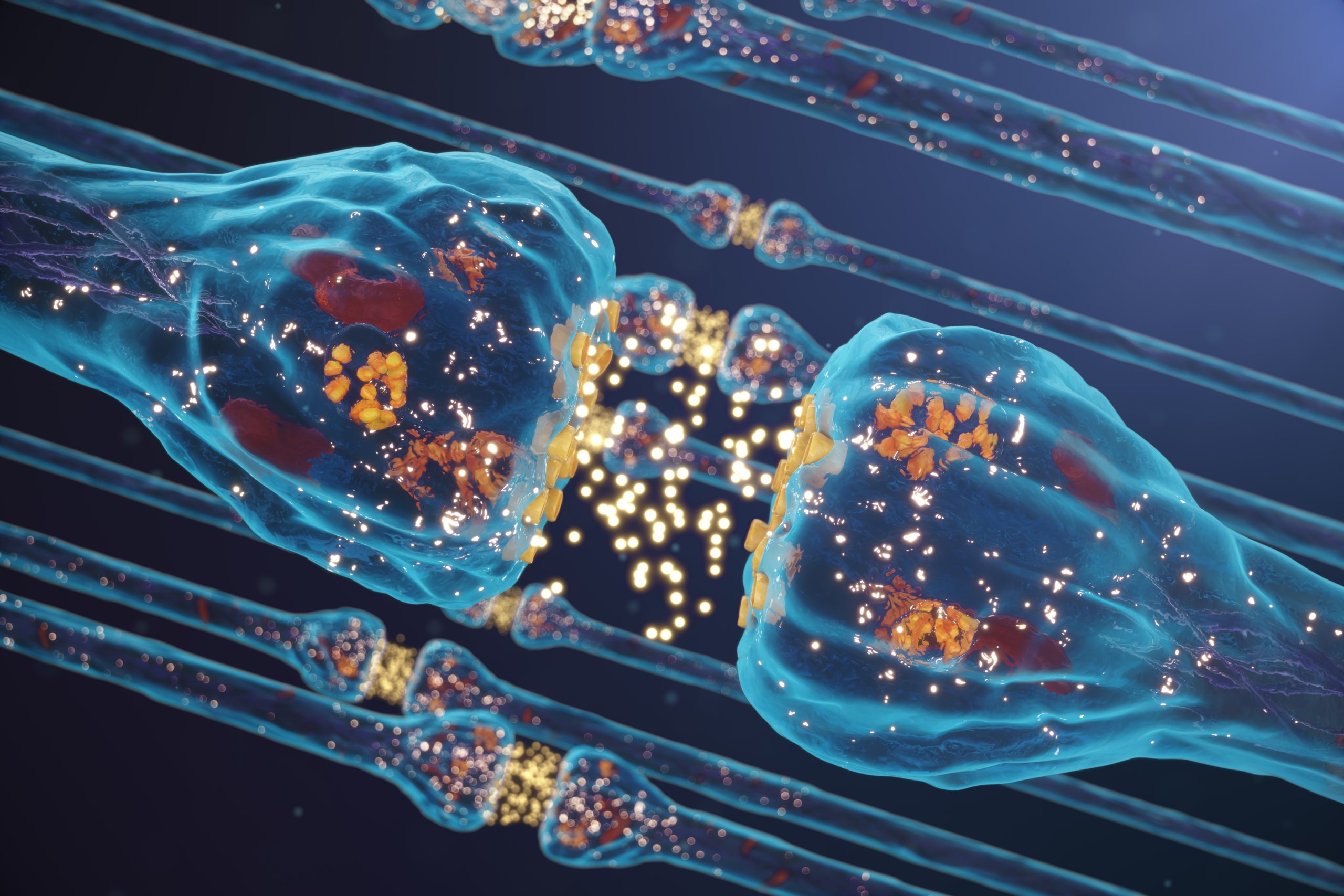
Glutamate is the brain’s most abundant excitatory neurotransmitter, responsible for sending signals between nerve cells.
It’s involved in nearly everything your brain does—especially mood regulation, learning, memory, and focus.
In a healthy brain, glutamate helps neurons communicate efficiently. But in depression, that system can become imbalanced or overactive, leading to what researchers call “neural rigidity”—when your thoughts, mood, and emotions get stuck in repetitive, negative patterns.
Spravato helps break that cycle by acting on the NMDA receptor, one of glutamate’s key communication hubs.
How Spravato Works in the Brain
Unlike SSRIs, which increase serotonin levels over time, Spravato binds to and blocks NMDA receptors—and that simple action sets off a remarkable chain reaction.
-
Blocks NMDA Receptors: Spravato briefly inhibits the NMDA receptor, preventing excess glutamate activity that contributes to low mood and mental fatigue.
-
Promotes a Glutamate Surge: This “block” triggers a surge of glutamate outside the neurons, activating another receptor called AMPA, which is crucial for learning and emotional processing.
-
Stimulates Neuroplasticity: Activation of AMPA receptors boosts the release of brain-derived neurotrophic factor (BDNF), a growth protein that encourages neurons to form new connections.
This process—called synaptogenesis—helps the brain literally rewire itself.
Old depressive patterns fade, and new, healthier pathways begin to form.
In other words, Spravato doesn’t just change mood chemistry—it helps the brain build a new map for emotional wellness.
Neuroplasticity: The Brain’s Built-In Reboot System
Neuroplasticity is the brain’s ability to adapt, grow, and form new neural connections.
When you learn a skill, overcome a challenge, or process an emotion, your brain is rewiring itself through neuroplasticity.
Depression often suppresses this natural flexibility. Neural pathways become rigid, repetitive, and pessimistic—like a record that keeps skipping on the same painful note.
By enhancing neuroplasticity, Spravato helps restore the brain’s ability to adapt again.
That’s why patients often describe feeling “unstuck” or “clearer” after treatment.
It’s not just emotional—it’s structural. Their brains are literally learning new ways to respond to life.
Spravato vs. Traditional Antidepressants: What’s the Difference?
| Feature | SSRIs/SNRIs | Spravato (Esketamine) |
|---|---|---|
| Primary Target | Serotonin or norepinephrine reuptake | NMDA receptor (glutamate system) |
| Mechanism of Action | Gradually increases neurotransmitter levels | Rapidly modulates glutamate and promotes neuroplasticity |
| Onset of Effect | 4–8 weeks | Hours to days |
| Impact on Brain | Adjusts chemical balance | Rewires neural pathways |
| Administration | Oral tablet | Nasal spray under supervision |
This difference in mechanism explains why Spravato can offer relief even when traditional medications haven’t worked.
Why the Glutamate System Is a Game-Changer
Emerging research shows that depression isn’t just a “chemical imbalance”—it’s a condition deeply rooted in brain connectivity.
When neural circuits that regulate mood become underactive or disconnected, the brain can’t efficiently process positive experiences or emotional feedback.
By restoring balance in the glutamate system, Spravato helps the brain reconnect those circuits—improving emotional regulation, motivation, and clarity of thought.
That’s why it’s often described as both a biological and psychological breakthrough.
A Window for Healing
Because Spravato rapidly enhances neuroplasticity, it may create a unique “window of opportunity” for deeper emotional work—therapy, mindfulness, self-care, or rebuilding relationships.
When the brain is more flexible and open to change, these experiences can “stick” in a way they couldn’t before.
That’s part of why many people describe feeling more present and engaged in life again after treatment.
Spravato doesn’t replace therapy—it enhances what therapy can do.
The Science of Hope
Spravato’s innovation lies in its simplicity: it helps the brain do what it was designed to do—heal and adapt.
By working through the glutamate system and jump-starting neuroplasticity, it opens a new pathway out of depression for people who have felt stuck for years.
And at Sonder, we believe that understanding the science behind hope only makes it stronger.
If you’re ready to learn more about how Spravato works—or whether it could be right for you—reach out to our team at Sonder Behavioral Health & Wellness.
We’ll help you explore the options, understand the process, and find a plan that feels right for your brain.
Want to understand what Spravato feels like and what patients can expect? Start with our companion blog Not Another Antidepressant: Why Spravato Is Changing the Chemistry of Hope.